

The Himalayan region—a breathtaking tapestry of extremes, where jagged peaks kiss the clouds and valleys stretch endlessly below. The air is crisp, the silence profound, and the landscape so vast it feels like time itself has paused. This is the Himalayas—a place where nature’s grandeur meets human resilience, and every meal tells a story of survival, tradition, and community.
When it comes to Himalayan cuisine, many people might not know what to expect—and that’s completely normal. These food traditions don’t always get the spotlight they deserve. But Himalayan cuisine is more than just food; it’s a journey through ancient flavors shaped by rugged landscapes, harsh climates, and a rich cultural tapestry. From steaming bowls of thukpa to delicate momos filled with yak meat, every dish is a testament to the ingenuity and spirit of the people who call these mountains home.
A Cuisine Shaped by Altitude and Adaptation
The Himalayas stretch across Nepal, Bhutan, Tibet, and parts of India and Pakistan—home to some of the highest inhabited places on Earth. Life in such extreme environments has shaped a cuisine built on resourcefulness and adaptability. High-altitude living calls for calorie-dense, nourishing dishes that provide energy and warmth, while limited access to fresh ingredients inspired innovative preservation techniques like fermentation.
Himalayan cuisine is a unique fusion, influenced by neighboring Tibetan, Indian, and Chinese traditions. Grains like barley and buckwheat take center stage, while yak dairy, fermented greens, and warming spices add layers of depth. Every meal is more than just sustenance—it’s a reflection of human resilience and culinary wisdom passed down through generations.
Iconic Himalayan Dishes and Their Origins
If you’ve ever slurped on a steaming bowl of thukpa or savored the delicate chew of a momo, you’ve already had a taste of Himalayan culinary magic. But there’s more to this cuisine than just dumplings and noodle soups!
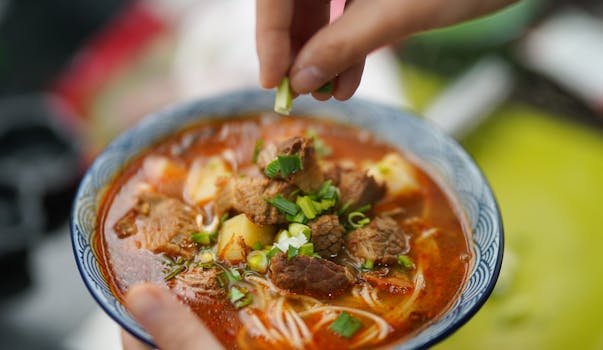
Thukpa – The Soul-Warming Noodle Soup
Just like Ramen to the Japanese, a bowl of steaming, hearty Thukpa is the ultimate comfort food in every Himalayan household. Originating from Eastern Tibet, this nourishing noodle dish is made with wheat noodles and a rich broth infused with proteins like chicken, pork, yak, or lamb. Vegetables such as carrots, onions, and bell peppers add texture, while local herbs and spices like ginger, garlic, coriander, and sometimes Sichuan pepper—give it its signature warmth.
For Tibetans, Thukpa is more than just a meal—it’s a lifeline. Imagine braving the harsh, frigid climate and trekking across rugged landscapes daily. At the end of such a journey, a hot, energy-dense bowl of Thukpa is exactly what you’d crave. As Tibetans traveled across Nepal, Bhutan, and northern India, they carried this beloved dish with them, allowing it to evolve with local influences.
In Nepal, Thukpa takes on a spicier, tangier profile with a tomato-based broth, chilies, and garam masala. The Bhutanese version leans slightly sweeter, often incorporating rice, local herbs, and spices. Meanwhile, in India, the dish stays true to its essence but takes on bold new flavors with cumin and turmeric, reflecting the region’s culinary traditions.
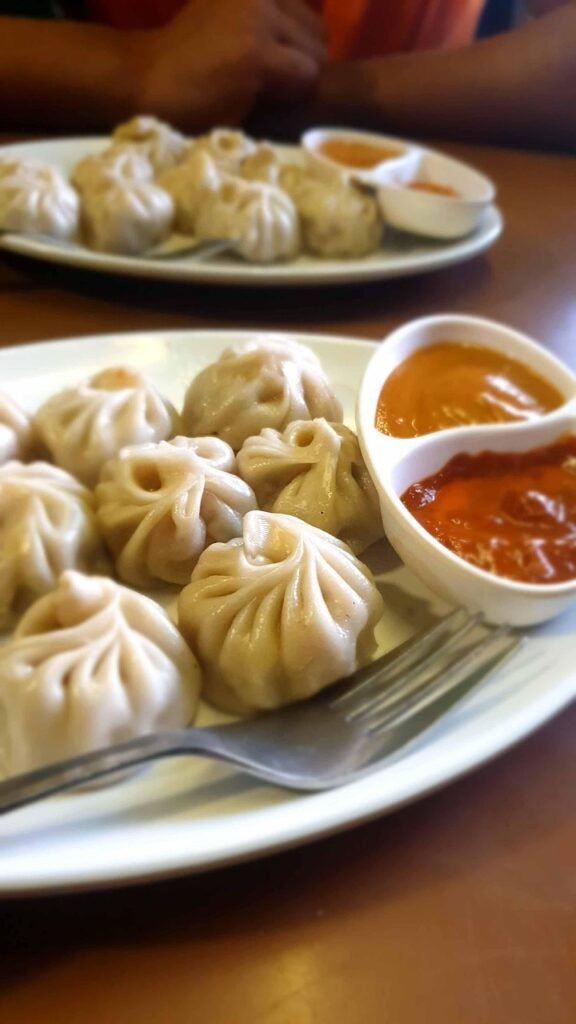
Momos – The Ubiquitous Himalayan Dumpling
Momo—steamed or fried dumplings—are a beloved Himalayan staple, often compared to Chinese jiaozi or baozi due to their appearance, but make no mistake—they have a distinct flavor and identity of their own. These little pockets of dough, stuffed with everything from spiced meats like chicken, beef, or mutton to hearty vegetables, are typically served with a spicy dipping sauce that packs a punch.
While momos originated in Tibet, they’ve made their way across the Himalayas, adapting to local tastes along the way. In Nepal and Bhutan, momos are quite similar, with chicken and beef being the most popular fillings. They’re usually paired with a fiery, tomato-based chutney that delivers a satisfying spicy kick. What sets them apart is their shape and seasoning—Nepali momos are typically round and flavored with Nepali momo masala, a unique spice blend, while Bhutanese momos can be round or half-moon shaped, seasoned with a mix of local herbs and spices like cumin and coriander.
In Tibet, Momos often feature yak meat, known for its rich, gamey flavor, and are served with Sepen, a traditional Tibetan spicy tomato sauce. Meanwhile, in India, especially in the north, Momos have evolved into a variety of styles with fillings ranging from vegetables and paneer to seafood, often served with the classic red chutney—and sometimes even a dollop of mayonnaise for an extra twist.
It’s amazing how one humble dish can tell so many stories, adapting to local tastes while staying true to its Himalayan roots.
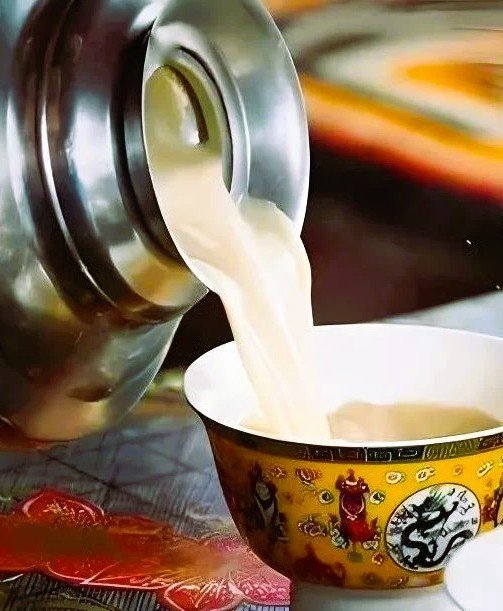
Tibetan Yak Butter Tea – A Taste of Tibet’s High-Altitude Tradition
Let’s be honest—butter in tea? It might sound strange at first, but in the Himalayas, Po Cha, or Tibetan butter tea, is more than just a drink—it’s a lifeline in the high-altitude cold. Imagine sipping on a salty, creamy, and slightly tangy cup of hot tea, rich with yak butter and a pinch of salt. It’s warming, energizing, and surprisingly addictive (for some, anyway!).
The yak butter provides much-needed calories, while the salt helps combat dehydration, making it the go-to for monks, nomads, and anyone braving the cold. Plus, it’s a symbol of hospitality—if you’re offered a cup, you’re practically family.
The process is just as unique as the flavor. Strong black tea leaves are simmered for hours, then churned together with yak butter and salt—traditionally in a wooden churn called Chandong, now often replaced with blenders. The result? A frothy and smooth brew almost like a savoury cappuccino.
In Tibetan households, Po Cha is sipped throughout the day, often served with Tsampa (roasted barley flour) for a filling snack. While some visitors need a few sips to get used to it, locals swear by its nourishing qualities. It’s not your average cup of tea, but that’s what makes it an essential part of Himalayan life—and a must-try for any adventurous foodie.
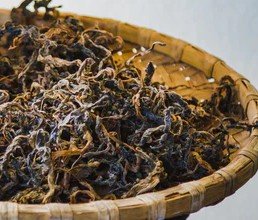
Gundruk & Kinema – The Art of Fermentation in Nepalese Cuisine
Given the extreme weather conditions of the Himalayas and the limited availability of fresh produce throughout the year, local communities have long embraced the art of fermentation to make seasonal harvests last. Two standouts from this rich tradition are Gundruk and Kinema.
Gundruk, a fermented leafy green, is a tangy, slightly sour delicacy made by drying and fermenting mustard, radish, or spinach leaves. It’s a winter staple in Nepal, where fresh vegetables are scarce, and its bold, umami flavor adds depth to soups, pickles, and stir-fries.
Kinema, on the other hand, is a fermented soybean dish popular in eastern Nepal and Sikkim. With its sticky texture and pungent aroma, Kinema might be an acquired taste—but its nutty, savory flavor makes it a beloved ingredient in curries and chutneys.
Fermentation not only preserves these ingredients but also boosts their nutritional value, making them rich in probiotics and essential nutrients. Whether it’s a steaming bowl of Gundruk ko Jhol (fermented leafy green soup) or a spicy Kinema Curry, these dishes are a celebration of tradition, resilience, and the ingenious art of turning simple ingredients into something extraordinary.
Ancient Cooking Techniques That Inspire Modern Chefs
What’s truly fascinating about Himalayan cuisine is how its centuries-old cooking techniques are now being rediscovered and celebrated by modern chefs around the world. These time-tested methods, born out of necessity and ingenuity, are not just about survival—they’re about creating depth, flavor, and sustainability.
- Fermentation for Flavor & Preservation
Fermentation is a cornerstone of Himalayan cooking, used to preserve seasonal produce and enhance flavors. The tangy, umami-rich flavors of fermented foods have caught the attention of modern chefs, who are incorporating fermentation into fine dining menus. From kimchi-inspired sauces to fermented vegetable garnishes, this age-old practice is now a growing trend in global gastronomy, celebrated for its ability to add complexity and probiotics to dishes.
- Slow Cooking and Stews: The Himalayan Approach to Layering Flavors
In the high altitudes of the Himalayas, slow cooking isn’t just a method—it’s a way of life. This technique of layering flavors through patience and precision has inspired modern chefs to embrace slow cooking in their kitchens. Whether it’s a braised short rib or a hearty vegetable stew, the Himalayan approach to slow cooking is a reminder that great food takes time.
- Sustainable Eating: A Lesson from the Himalayas
Long before “sustainability” became a buzzword, Himalayan communities were already masters of it. Their cooking philosophy revolves around minimal waste, nose-to-tail consumption, and reliance on locally sourced ingredients. Every part of an animal or plant is used—whether it’s yak meat, bones for broth, or fermented greens. This resourcefulness resonates deeply with today’s chefs, who are increasingly focused on reducing food waste and creating eco-friendly menus. From root-to-stem cooking to whole-animal butchery, the Himalayan way of eating is a blueprint for sustainable gastronomy.
Himalayan Food is More Than Just a Trend
With the rising interest in fermented foods, sustainable cooking, and regional cuisine, Himalayan flavors are steadily making their mark on global menus. From Tibetan momo pop-ups in New York to high-end restaurants experimenting with yak cheese, this ancient cuisine is proving to be timeless. Yet, the revival of these age-old techniques isn’t merely a fleeting trend—it’s a heartfelt celebration of heritage and a practical response to modern challenges. As chefs around the world search for ways to create dishes that are both flavorful and sustainable, Himalayan cuisine offers a treasure trove of inspiration. By blending time-honored traditions with innovative culinary techniques, they’re not only preserving age-old practices but also reintroducing them to a new generation of food lovers.
Final Thoughts: Have You Tried Himalayan Cuisine?
If you haven’t yet, consider this your invitation to explore! Whether it’s making a comforting bowl of thukpa at home or seeking out an authentic Nepalese or Tibetan restaurant, there’s a whole world of flavors waiting for you.